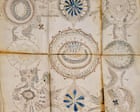
A groundbreaking study suggests the Voynich manuscript—a centuries-old codex featuring bizarre botanical illustrations, celestial diagrams, and an undeciphered script—has been misinterpreted due to an incorrect binding sequence. Long dismissed as a cipher, musical notation, or even a hoax, the text’s true purpose may have been obscured by its physical arrangement, challenging decades of scholarly assumptions. Researchers argue that reassessing the manuscript’s structure could fundamentally alter how its symbols and drawings are understood, offering fresh insight into one of history’s greatest linguistic enigmas. The findings promise to reignite debate among cryptographers and historians over the book’s origins and intended meaning.
Researchers argue incorrect binding of Voynich manuscript radically changes ideas about its drawings and indecipherable textIt has been called the world’s most mysterious manuscript: a medieval set of pages filled with botanical drawings, astronomical diagrams, pictures of nude women and indecipherable text. Claimed at various times to be a book in a lost language, a musical score, an instruction manual or just an elaborate hoax, the so-called Voynich manuscript’s true meaning has defied cryptographers and codebreakers for centuries.Now, new research offers an explanation for why a scholarly consensus over this enduring puzzle has been so hard to come by: not only because its truth is so profoundly mysterious – but because everyone has been reading its pages in the wrong order. Continue reading...


