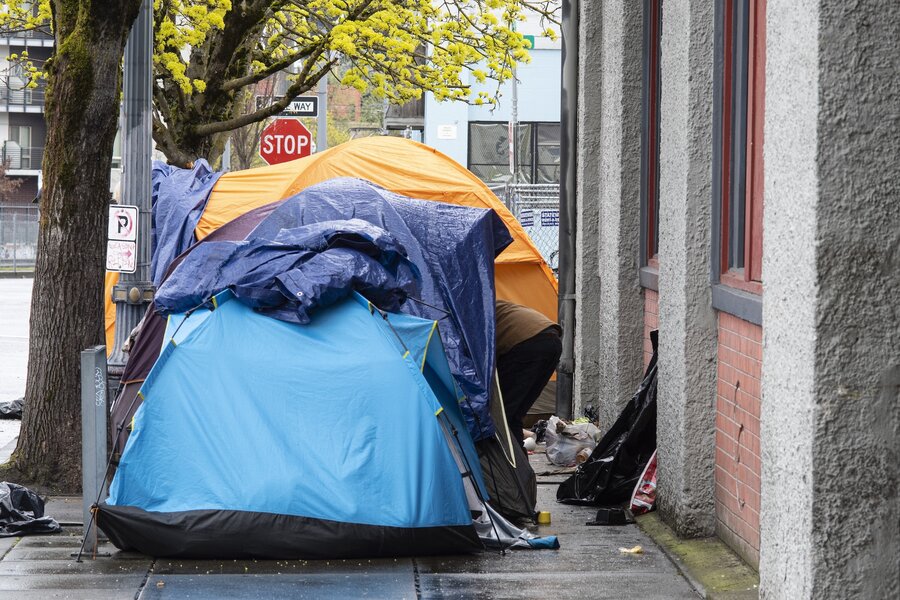
A growing number of communities are turning to informal networks of neighbors to support vulnerable individuals, offering shelter and assistance when formal systems fall short. These grassroots efforts highlight how personal connections and mutual aid can fill critical gaps for those without stable housing. While traditional shelters remain essential, the rise of neighbor-led initiatives reflects both a humanitarian response and a challenge to existing support structures. The approach raises questions about sustainability and scalability as more people rely on such informal care systems.
Neighborly connection and care provide the vital glue to sheltering those in need.


