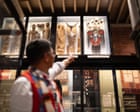
A campaign that secured the return of ancestral remains to India has sparked a broader debate about restitution. The story highlights how colonial legacies persist in museum collections and private holdings worldwide. For nearly eight decades, human remains were displayed on glass shelves at Oxford’s Pitt Rivers Museum, a renowned institution. The initiative has prompted discussions about the ethical treatment of cultural and human artifacts.
A campaign securing the landmark return to India of ancestral remains taken during British colonial rule has opened a wider conversation about restitutionThe lacerating legacy of colonialism survives in many spaces, particularly in museum collections and private holdings across the western world. And it’s not just limited to inanimate artefacts or cultural objects.For almost 80 years, human remains were displayed on crowded glass shelves at Pitt Rivers Museum at Oxford University, one of the world’s most celebrated institutions. Continue reading...


