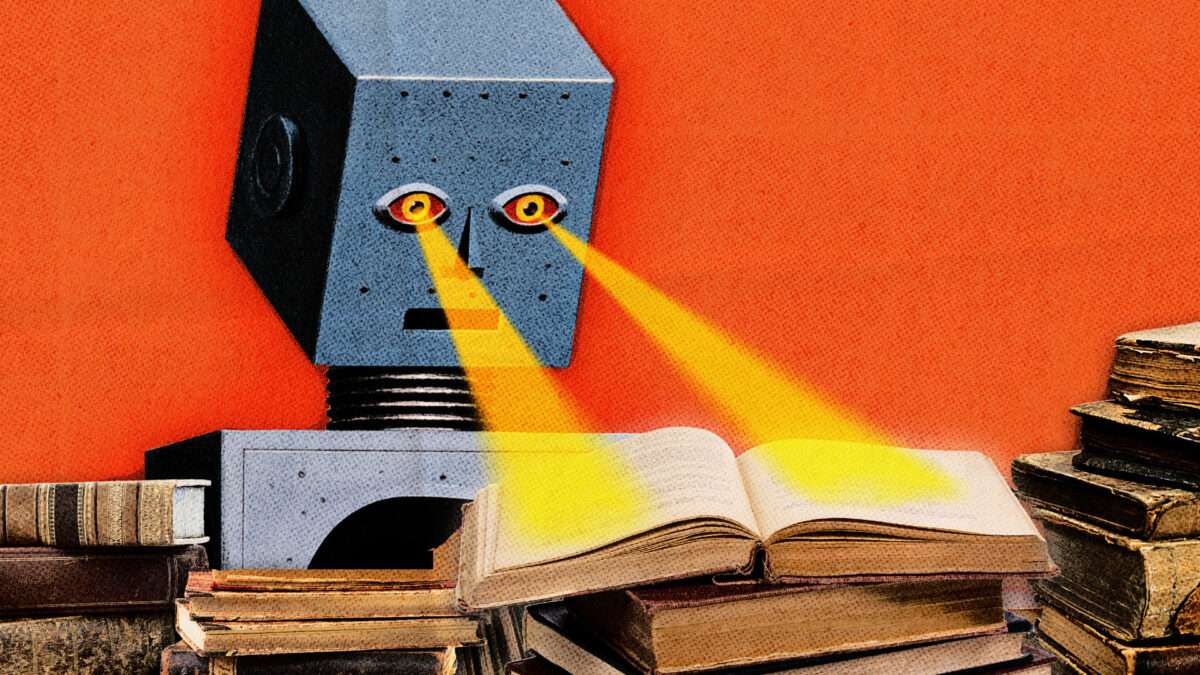
Destructive scanning—where books are digitized by physically damaging or destroying them—has sparked debate over whether the ends justify the means. Proponents argue the process expands access to knowledge by converting fragile or rare texts into searchable digital formats, potentially unlocking research and education opportunities for those who couldn’t otherwise engage with them. Critics, however, raise concerns about the ethical implications of permanently altering or losing physical copies of cultural and historical works. The practice highlights a tension between preserving heritage and democratizing information in an increasingly digital world.
Destructively scanning books is making information more accessible to the masses.


