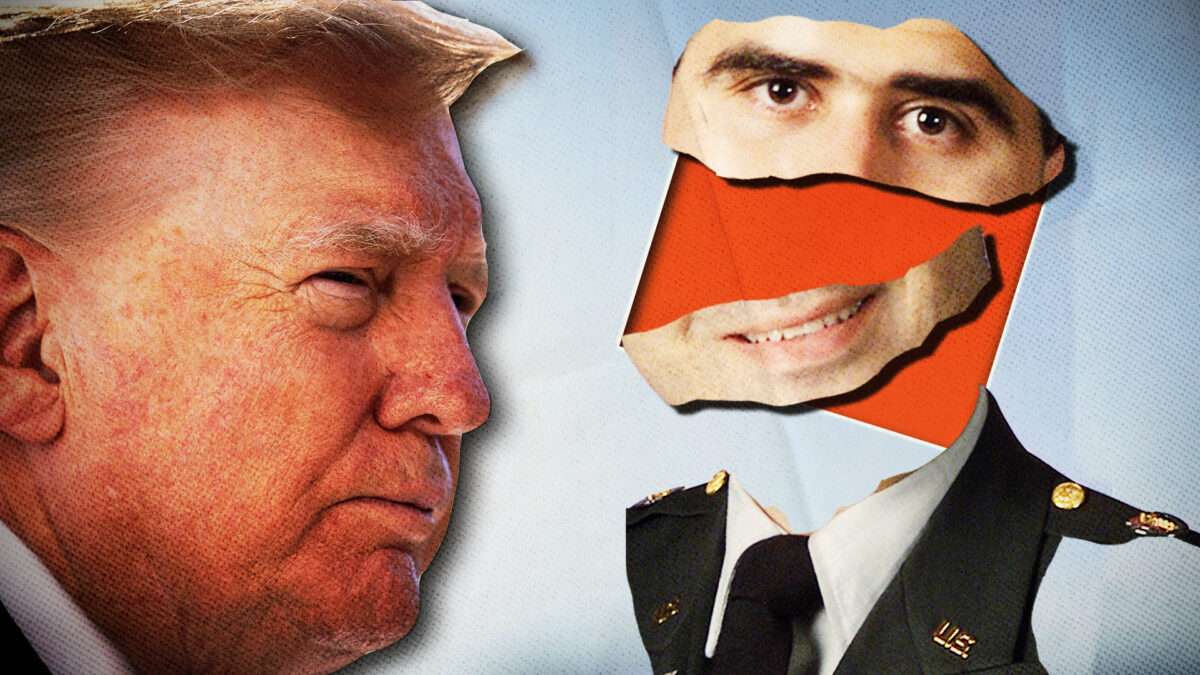
A controversial proposal by the Trump administration to publicly broadcast a military execution has reignited long-standing debates over the ethics of state-sanctioned violence. Critics argue the move reflects a troubling normalization of capital punishment, clashing with historical resistance to public displays of lethal state power dating back to America’s colonial past. The plan has drawn sharp opposition from legal and human rights advocates, who warn it could further erode public trust in the justice system. Supporters, however, claim transparency in executions is necessary to uphold accountability in the legal process.
The Trump administration's plans to livestream the execution of Nidal Hasan ran afoul of a deep-rooted aversion to bloody displays of state power going back to the colonial era.


