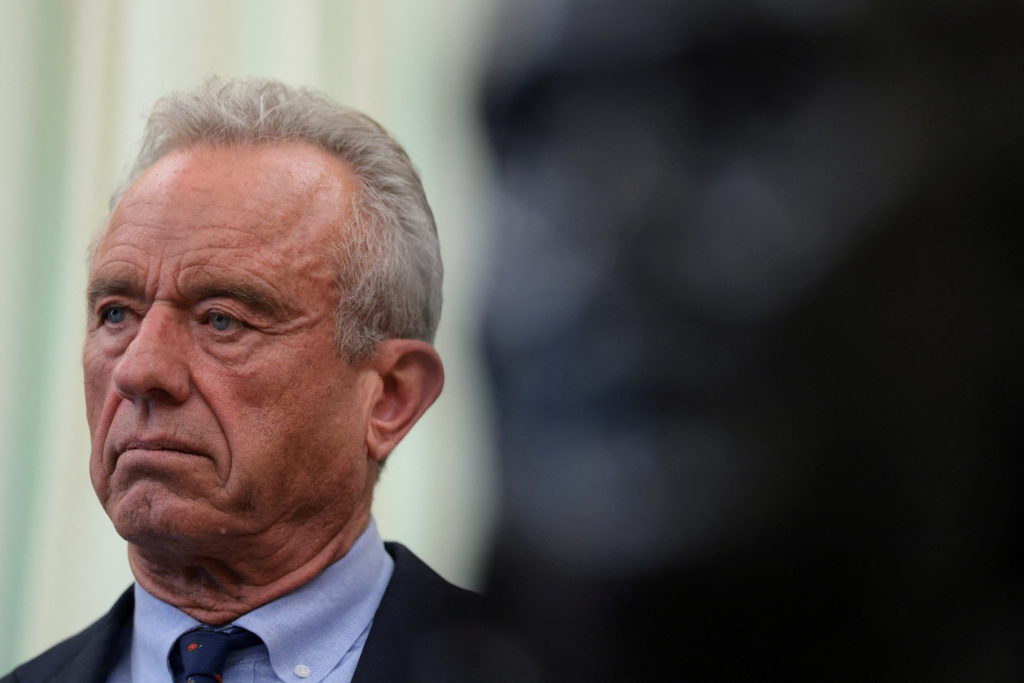
A controversial proposal to streamline access to experimental peptide therapies—backed by the U.S. Health Secretary—faced strong resistance from most FDA scientists involved in its creation, who reported being excluded from key discussions, according to sources involved in the process. The policy, which could lower barriers for unproven treatments, was developed with minimal input from the agency’s scientific workforce, raising concerns about oversight and expertise. Internal pushback suggests divisions over whether the plan prioritizes speed over rigorous evaluation, a tension that could reshape how experimental drugs reach patients. Critics argue the lack of engagement with FDA experts undermines the credibility of the initiative.
A plan to give people in the United States easier access to unproven peptide drugs favored by Health Secretary Robert F. Kennedy Jr. was opposed by most Food and Drug Administration scientific staff members, who had limited input in drafting the policy, according to six people familiar with its development.


