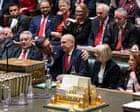
The chancellor’s first budget framed the ongoing cost of living crisis as a direct consequence of global economic pressures, including rising energy prices linked to geopolitical conflicts. Measures included targeted tax increases on banks and landlords to finance a £100 winter payment for millions of households, though official forecasts suggest no immediate relief for financial strain. With no clear end to inflationary pressures in sight, the speech offered few unexpected policy shifts, instead reinforcing the challenges posed by international market volatility. The budget’s approach balances short-term support with long-term fiscal realities amid a prolonged economic squeeze.
Few surprises as chancellor uses low-key speech blaming ‘global economic storms’ for stoking energy prices and cost of living crisisBudget 2026: key points at a glanceBriefing: key questions answered by Heather Stewart and Pippa CrerarEditorial: Budget’s bold ambitions and welcome first stepsJohn Healey raised taxes on banks and landlords to fund a £100 winter handout for 20 million families as official forecasts made clear there is no end in sight for the cost of living crisis.In his first budget, the chancellor blamed “global economic storms” for the grim outlook, as the war in Iran drives up oil and gas prices. Continue reading...


