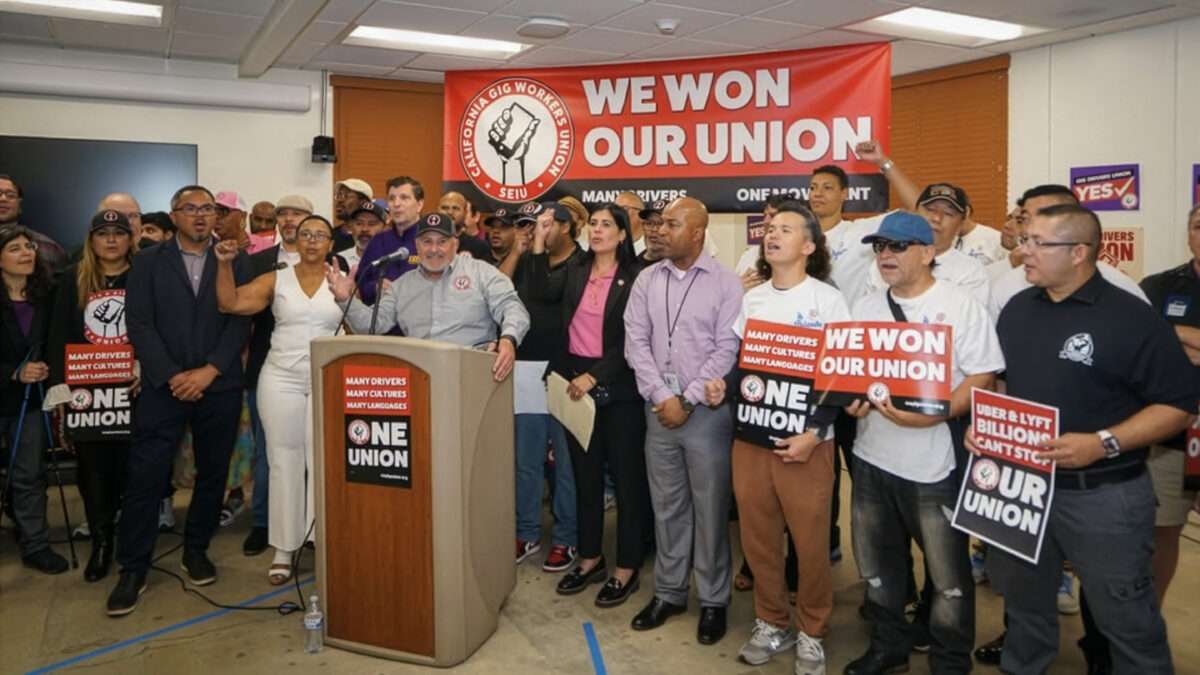
Gig economy workers rely on the autonomy and scheduling freedom that define their jobs, but new proposals for industry-wide bargaining threaten to undermine those core benefits. Critics argue that collective agreements could impose standardized pay rates, working hours, and conditions that may not align with the individual needs of freelancers or on-demand workers. The shift toward union-style negotiations raises concerns about reduced control over earnings and availability, key attractions for those who choose gig work over traditional employment. Supporters, however, claim such measures could bring long-overdue protections to an increasingly vulnerable workforce.
Industry-wide bargaining could erode the very flexibility that gig workers most desire.


