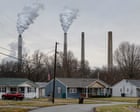
A shrinking network of public air monitors, combined with federal policy shifts, is leaving communities with fewer tools to track pollution. An investigation reveals that chemical industry-backed laws in several states now prohibit regulators from using data from low-cost, citizen-collected air sensors—unless they meet EPA standards requiring expensive equipment. Louisiana, Kentucky, and Ohio have passed nearly identical measures, while similar proposals have surfaced in West Virginia. The restrictions raise concerns about transparency and accountability as independent air-quality monitoring becomes increasingly difficult.
As public air monitors disappear, federal rollbacks and state laws are making it harder than ever to know what’s in the airAs the US’s network for monitoring air pollution deteriorates, a Floodlight investigation has found that the chemical industry is going state-to-state to restrict one of the few options citizens have left for holding polluters accountable: low-cost air sensors.Over the past two years, the non-profit investigative newsroom determined, lawmakers in Louisiana, Kentucky and Ohio have passed strikingly similar laws barring regulators from acting on air-quality data that communities collect themselves – unless it comes from Environmental Protection Agency (EPA)-approved equipment that typically costs tens of thousands of dollars. Similar legislation has repeatedly been introduced in West Virginia. Continue reading...


