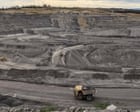
A groundbreaking new tool called Carbon Impacts Tracer converts abstract climate data into tangible real-world consequences, translating fossil fuel emissions into measurable effects like extreme heat exposure and coral die-offs. Instead of framing emissions in global temperature shifts, the tool quantifies their impact on vulnerable ecosystems and communities, offering a more immediate understanding of climate risks. Researchers behind the project argue that even seemingly insignificant temperature increases can translate into devastating local and ecological outcomes. The system is being applied to major projects like the proposed HVO coal mine in New South Wales, where emissions could trigger severe environmental and human consequences.
A new tool called Carbon Impacts Tracer can be used to estimate climate impact from emissions across eight metrics, including lost food productionThe biggest coal project before authorities in New South Wales, the HVO mine, will emit the equivalent of about 809m tonnes of climate-warming carbon dioxide if it wins approval. That number, for most people, will carry little meaning, as might the calculation that adding that amount of greenhouse gas to the atmosphere will cause an extra 0.00036C of global heating. But what if the public was instead told that that amount of carbon dioxide would expose almost half a million people to unprecedented heat, or kill nearly 15 million coral colonies on the Great Barrier Reef every time it bleaches? All those statistics come from a new tool that translates the emissions from burning fossil fuels into estimated real-world climate effects taken from peer-reviewed climate studies.“Small numbers in global warming can mean catastrophic impacts,” says Prof Sarah Perkins-Kirkpatrick, a climate scientist at the Australian National University who is part of a team launching the Carbon Impacts Tracer. Continue reading...


