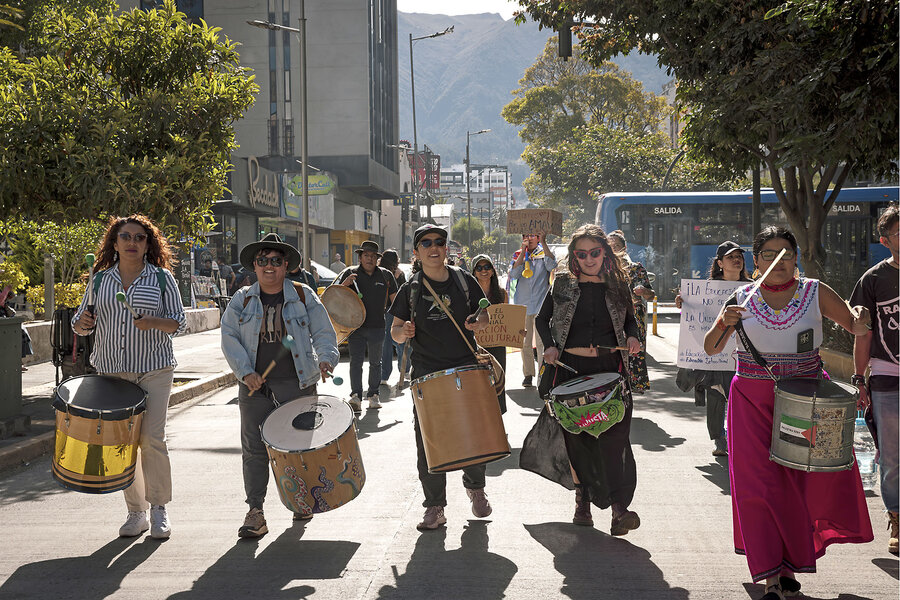
A pioneering intercultural university in Ecuador, established in the early 2000s as part of a broader push for inclusion in Latin America, now faces the threat of closure, highlighting the fragility of hard-won social progress. Once a symbol of cultural integration and educational equity, the institution’s survival is under question amid shifting political and economic priorities. The case reflects broader challenges in sustaining long-term commitments to diversity and indigenous rights in higher education. Critics warn that its potential shutdown could erase decades of efforts to bridge gaps between traditional academia and indigenous knowledge systems.
In the early 2000s, Ecuador launched its first public intercultural university at a time when governments across the region were prioritizing inclusion. Today, Amawtay Wasi is at risk of closing, underscoring how quickly social gains can be rolled back.


