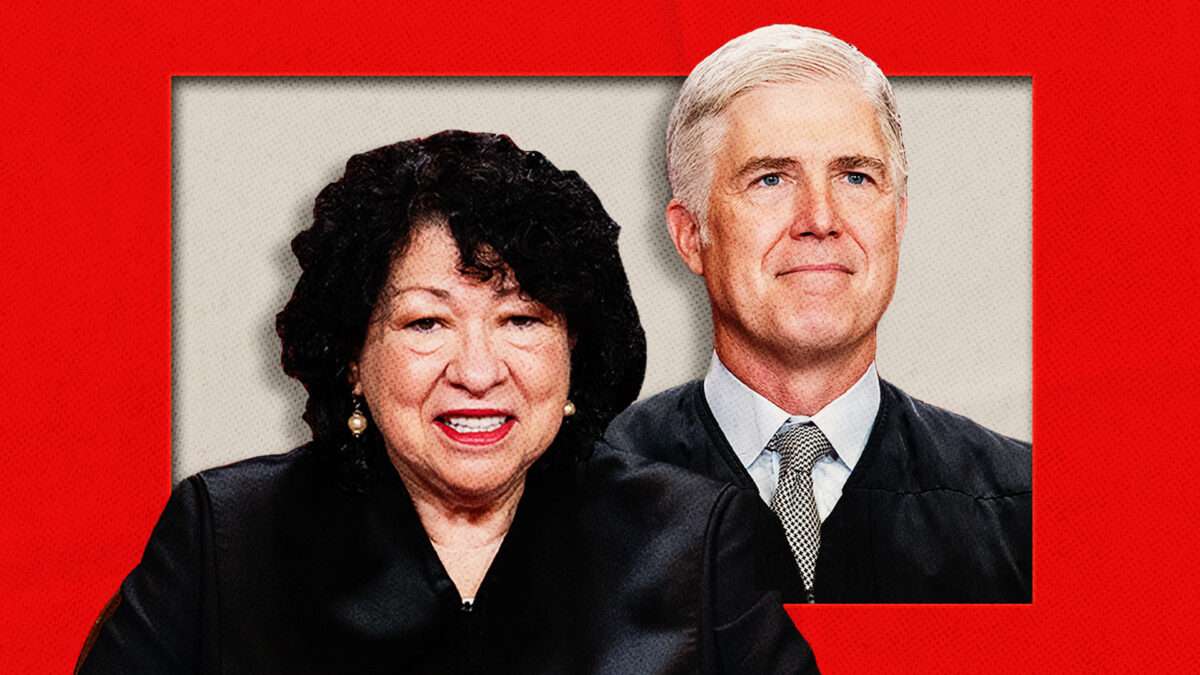
A landmark legal ruling by a conservative Supreme Court justice in the early 20th century quietly reshaped American cities by establishing the legal foundation for modern zoning laws. The decision, which expanded local governments' power to regulate land use, marked a turning point in urban planning and set precedents still debated today. Critics argue it enabled exclusionary practices, while supporters credit it with shaping orderly development. The case’s legacy continues to influence debates over housing, segregation, and economic opportunity in communities nationwide.
Plus: How a conservative Supreme Court justice ushered in “the birth of modern zoning.”


