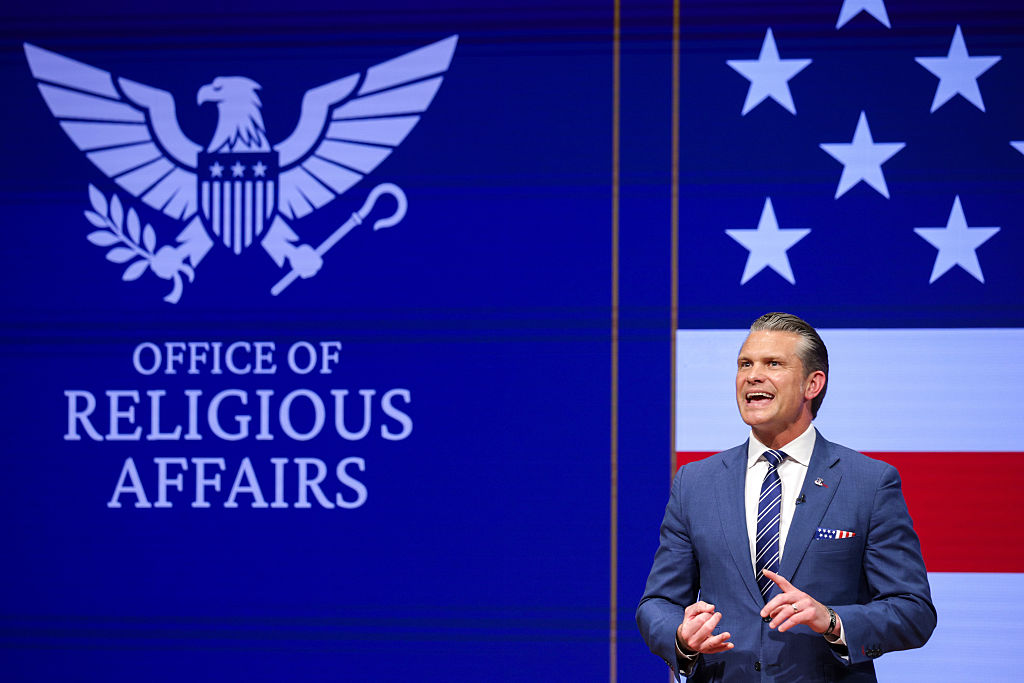
A top official has centralized control over military religious affairs, establishing a direct reporting line to ensure the spiritual preparedness of service members. The move consolidates oversight of chaplaincy services and faith-based support within the armed forces, raising questions about how this structure will shape morale and religious guidance for personnel. Critics may examine whether the shift enhances cohesion or creates new layers of influence over military personnel’s personal beliefs. The decision reflects broader debates over the intersection of faith and national security institutions.
His religious affairs office reports directly to him, allowing for "spiritual readiness" of the military


