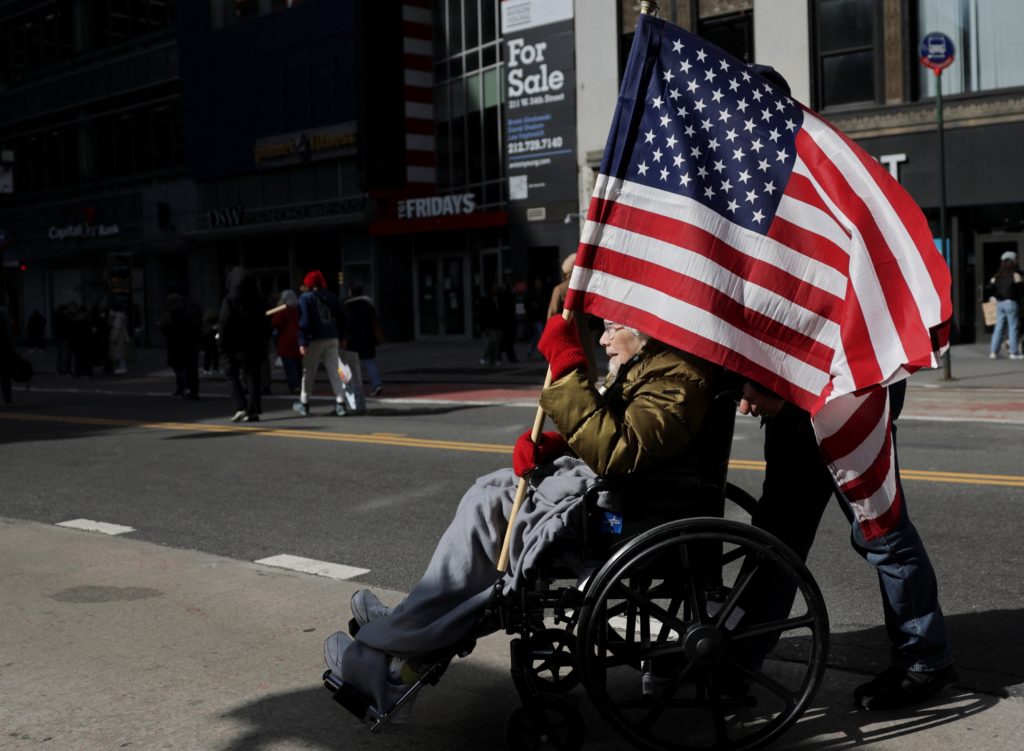
A significant portion of wheelchair users, as well as individuals who are blind or deaf, may be incorrectly classified as not having disabilities due to changes in survey methods, according to advocates and researchers. The shift to a shorter survey format risks excluding those whose conditions are not immediately visible, raising concerns about underrepresentation in disability data. Experts warn that this miscategorization could lead to gaps in support and resources for affected communities. The issue highlights broader challenges in accurately measuring disability prevalence in population studies.
As many as a quarter of wheelchair users and more than a third of people who are blind or deaf could be miscategorized as not disabled because of the shorter survey, according to some advocates and researchers.


