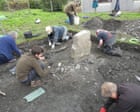
A remote Scottish island known for its deep-rooted Gaelic heritage has uncovered new layers of its past through community-led archaeological digs, revealing the remnants of a significant sixth-century monastery linked to early Christian missionaries. Long overshadowed by later history, the site—previously reduced to scattered fragments of a carved cross—now offers tangible evidence of its role in the spread of Christianity across northern Britain. Residents, who gather in their heritage center as the island’s sole social hub, are rediscovering a pivotal chapter in their community’s story, one that challenges earlier assumptions about its historical significance. The findings highlight how local involvement is reshaping understanding of Lismore’s ancient roots.
Community-funded archaeological excavations of ‘really important’ sixth-century monastery also rewrite story of LismoreTo the residents of the Scottish island of Lismore, population 190, history is never very far away. The tiny island near Oban in Argyll has no row of shops or even a pub – if islanders want to meet for a coffee, the only place to do so is in the lively Gaelic heritage centre that records the many centuries of community life on the island.This quiet place, documentary evidence records, was home to a monastic settlement in the sixth century AD, when missionaries from Ireland were first moving into northern Britain to spread Christianity. But apart from a few fragments of an early carved cross, there was almost nothing to see from this period of history. Continue reading...


