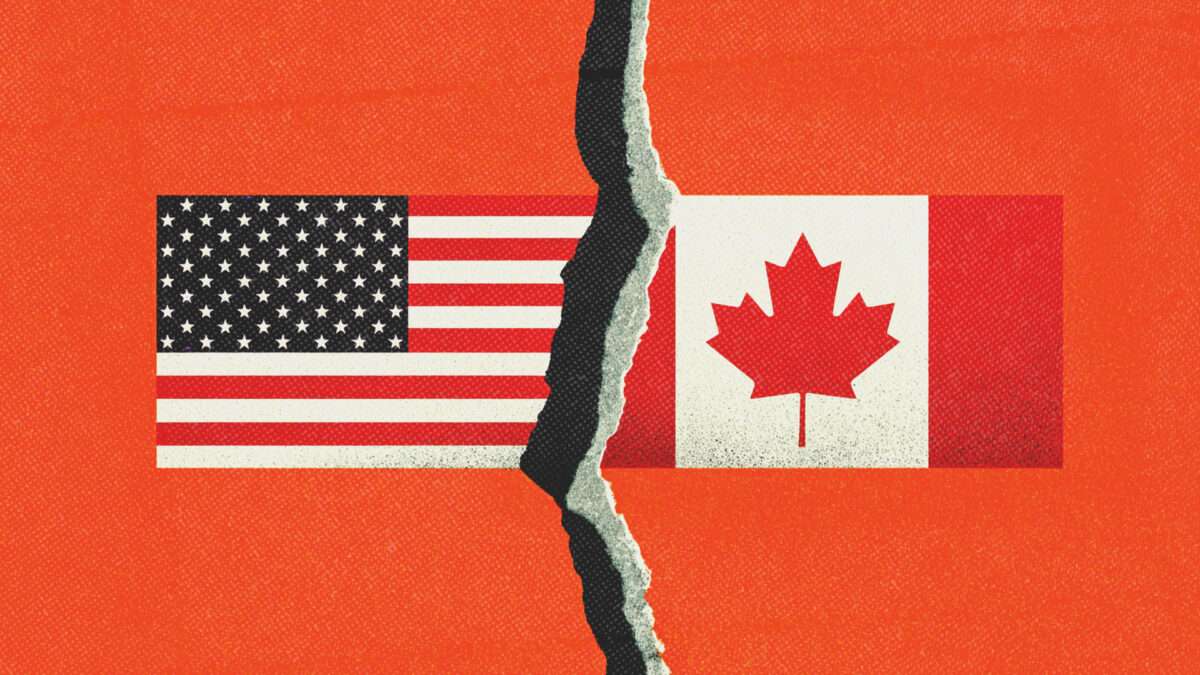
A legal analysis examines how constitutional principles could undermine President Trump’s use of Section 338 tariffs, arguing that the broad authority granted under this provision may violate the major questions doctrine and nondelegation doctrine. Critics contend that such sweeping executive power—without clear congressional intent—exceeds constitutional limits by allowing unilateral economic policy shifts with far-reaching consequences. The piece explores whether courts would intervene if challenged, weighing precedent and the separation of powers. Legal scholars suggest these doctrines could reshape debates over executive overreach in trade policy.
Why the major questions and nondelegation doctrines bolster the legal case against Trump's Section 338 tariffs.


