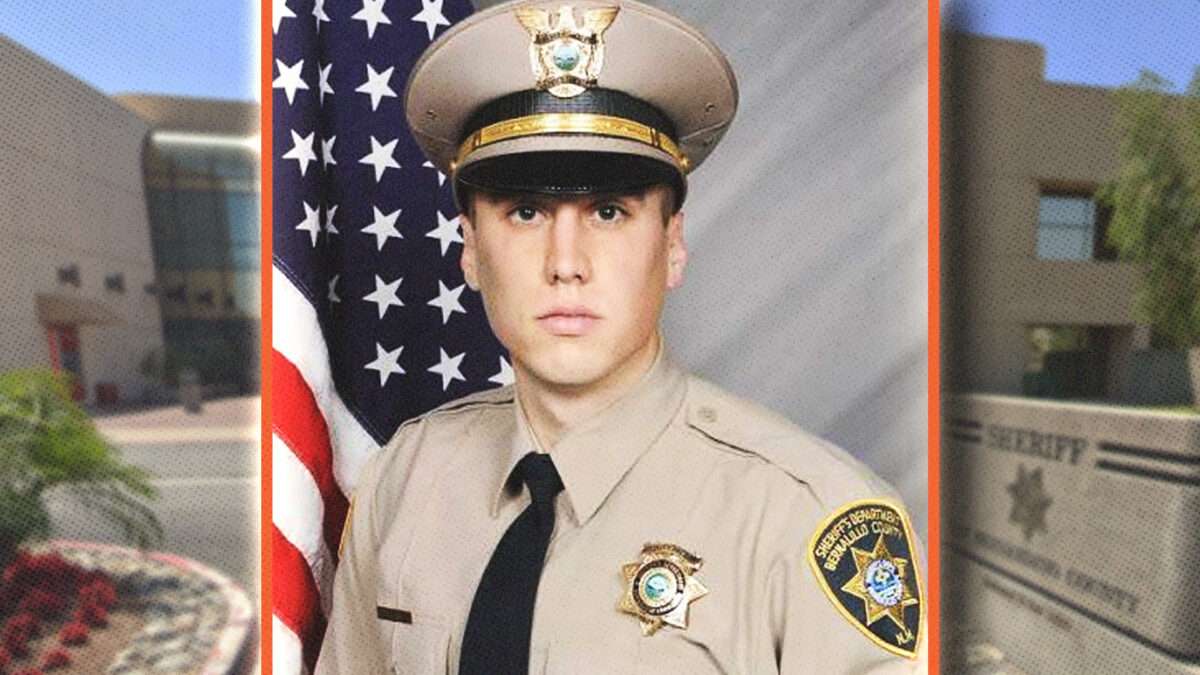
A former sheriff’s deputy has been convicted of obstructing justice after allegedly attempting to shield a confidential informant from the Drug Enforcement Administration, raising questions about law enforcement accountability and the balance between protecting sources and upholding legal proceedings. The case highlights tensions between police protocols and federal investigations, where informants’ identities are typically kept secret to preserve investigative integrity. Legal experts suggest the ruling could set a precedent for how law enforcement officers navigate conflicts between departmental loyalty and federal obligations. The full story examines the legal reasoning behind the conviction and its potential implications for future cases involving informants and officer conduct.
Former sheriff's deputy Paul Jessen was convicted of obstructing justice because he tried to protect a confidential informant from the DEA.


