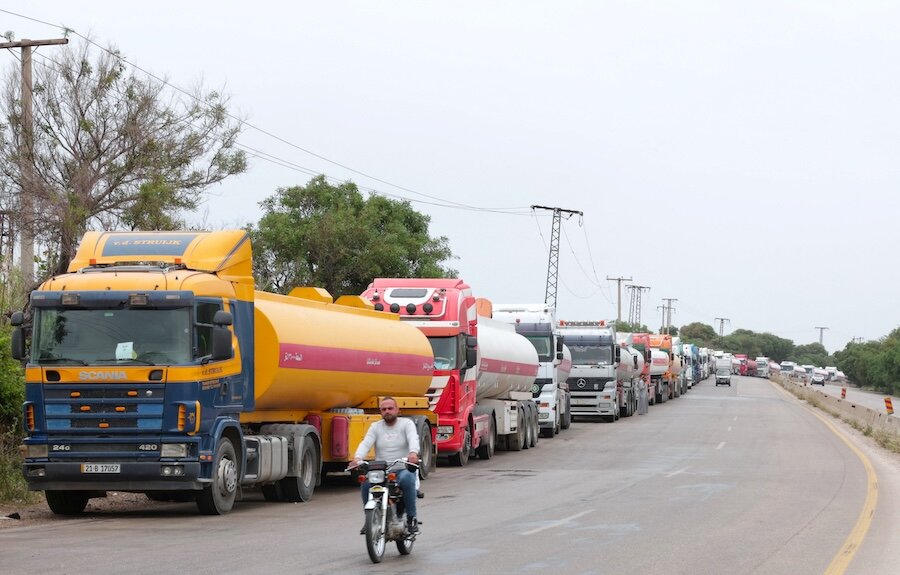
As the Strait of Hormuz reopens to oil shipments, a significant shift in the region's dynamics is underway. Gulf nations, long reliant on the strategic waterway, are diversifying their alliances and trade routes to safeguard their collective economic security and sovereignty. In a bid to reduce dependence on a single vulnerable chokepoint, these nations are forging new partnerships with countries in the Middle East, Asia, and beyond. The implications of this strategic realignment are far-reaching, with potential consequences for global energy markets, regional geopolitics, and the balance of power in the Middle East.
Even as oil shipments resume through the Strait of Hormuz, Gulf nations are creating alternative regional relationships and pathways to protect collective economic security and sovereignty.


