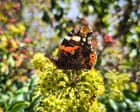
A new study reveals that so-called "weeds" like common ivy are far more appealing to pollinating insects than previously thought, with their autumn blooms proving particularly attractive to bees and butterflies. Citizen scientists tracking insect activity found these hardy urban plants draw significant visits during short observation periods, challenging long-held assumptions about their ecological value. The eight-year research highlights how widespread, often overlooked species play a crucial role in supporting pollinator populations. Results suggest a reevaluation of urban greening strategies to better incorporate these underrated plants.
Citizen scientists on UK Pollinator Monitoring Scheme recorded insect visits to flowers during 10-minute surveysUbiquitous urban plants often derided as “weeds” are the most attractive to pollinating insects.The autumn blooms of common ivy, rich in pollen and nectar, are the most visited by insects including bees and butterflies, according to an eight-year study. Continue reading...


