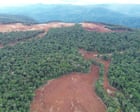
Investigative analysis reveals that major Western automakers—including Volkswagen, Ford, and Tesla—may be indirectly contributing to deforestation in Indonesia’s nickel-rich rainforests, home to the Tolaki people. Corporate records and trade data over the past two years trace battery supply chains back to mines in Sulawesi, a biodiversity-rich region where primary forests are being cleared to extract nickel, a key mineral for high-performance electric vehicle batteries. The findings underscore the environmental trade-offs in the push for cleaner transportation, as nickel’s role in boosting battery range comes at the cost of habitat destruction in one of the world’s most ecologically vital areas. The report raises questions about whether automakers can truly deliver sustainable vehicles without addressing deforestation risks in their supply chains.
Mines in supply chains of western carmakers linked to widespread deforestation of primary rainforest in nickel-rich lands inhabited by Tolaki people in IndonesiaVolkswagen, Ford and Tesla are among the electric carmakers whose batteries may contain nickel mined in indigenous woodlands plagued by deforestation, an analysis has found, highlighting the struggle to make vehicles that are free from environmental destruction.Corporate disclosures and trade flows from the last two years show mines in the battery supply chains of automotive giants are linked to the loss of trees in Sulawesi, a wildlife hotspot in Indonesia that houses the world’s largest nickel deposits. The metal is widely used in cathodes in car batteries because it boosts energy density and increases range. Continue reading...


