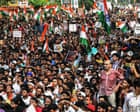
Protests in India’s capital over a disputed electoral roll revision have escalated into a heavy-handed government response, with authorities imposing sweeping restrictions to suppress dissent. Massive dragnets—including train cancellations, metro shutdowns, internet blackouts, and the closure of liquor shops—were enforced ahead of planned demonstrations, while paramilitary forces patrolled the streets. The crackdown follows weeks of daily protests demanding the removal of the chief election commissioner and the reversal of a policy that has disenfranchised millions. Critics are questioning whether the measures signal growing interference in India’s electoral process.
Marches in Delhi against changes to voting registration led to dragnets, internet blackouts – and questions about India’s electoral independence. Plus, the cinematographer capturing the beauty of the mundaneMonths of simmering public anger have given rise to a season of discontent in India. In its latest iteration, the demand is for the removal of chief election commissioner Gyanesh Kumar and the scrapping of a controversial electoral rolls revision that has struck 130 million people off the register. Protests have erupted every day over the past week, prompting a violent crackdown on dissenters in the capital.Over the weekend, Delhi was effectively under lockdown, transformed into a militarised landscape of barricades, road closures and paramilitary forces marching through the streets. Ahead of a protest led by the Cockroach Janta party on Saturday, authorities deployed a massive dragnet: 245 trains to Delhi were cancelled, 45 metro stations were shut, liquor shops were closed, internet services were cut off in the heart of the city and activists were put under house arrest. Continue reading...


