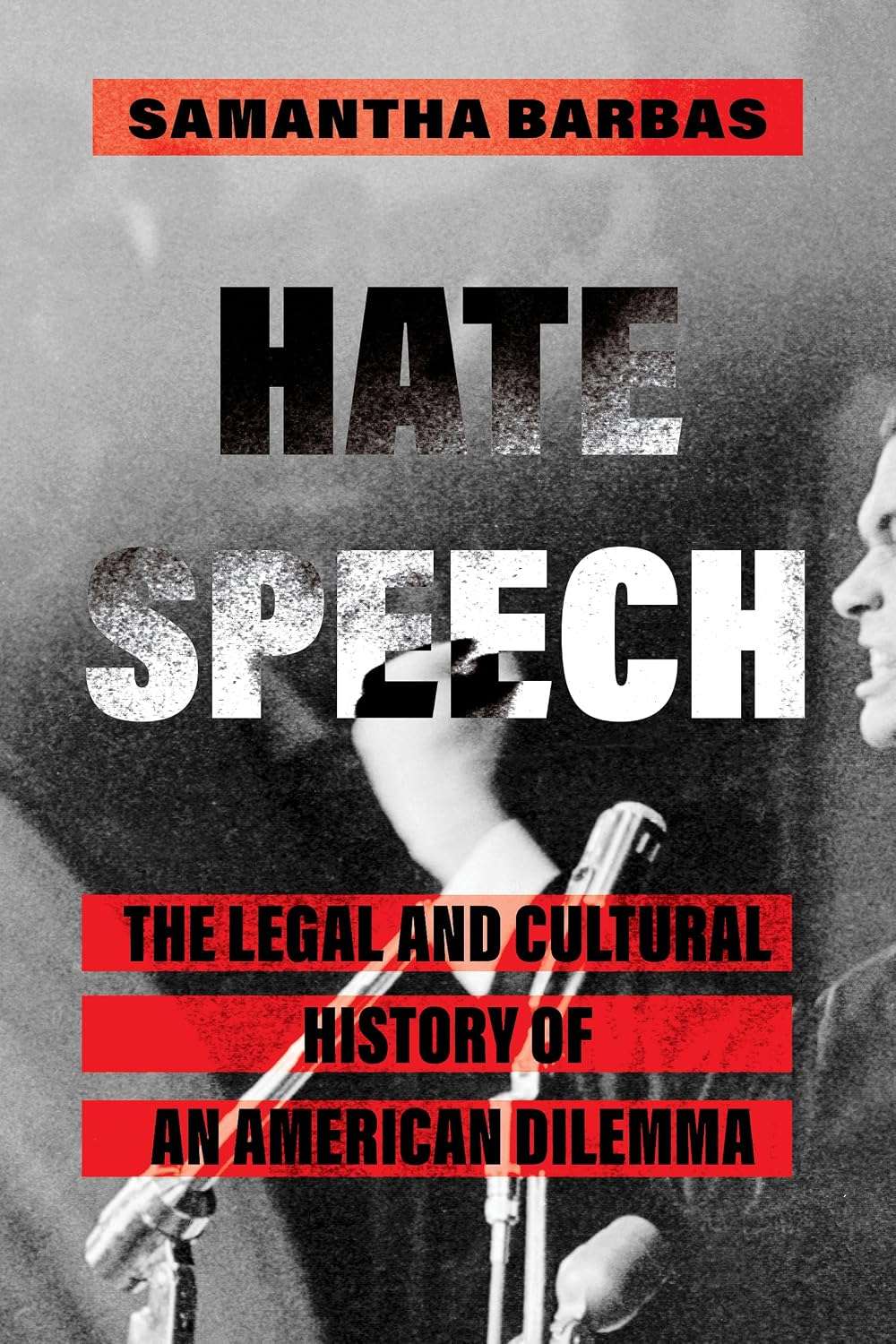
During World War II, governments at various levels introduced and enacted legislation targeting hate speech as part of broader efforts to suppress dissent and promote national unity. These measures were framed as necessary to counter propaganda and protect against divisive rhetoric that could undermine wartime morale. The laws reflected a temporary but significant shift in how society addressed speech deemed harmful to collective security. Critics later debated whether such restrictions set a precedent for future limitations on free expression.
During World War II, hate speech laws were proposed and passed across the country.


