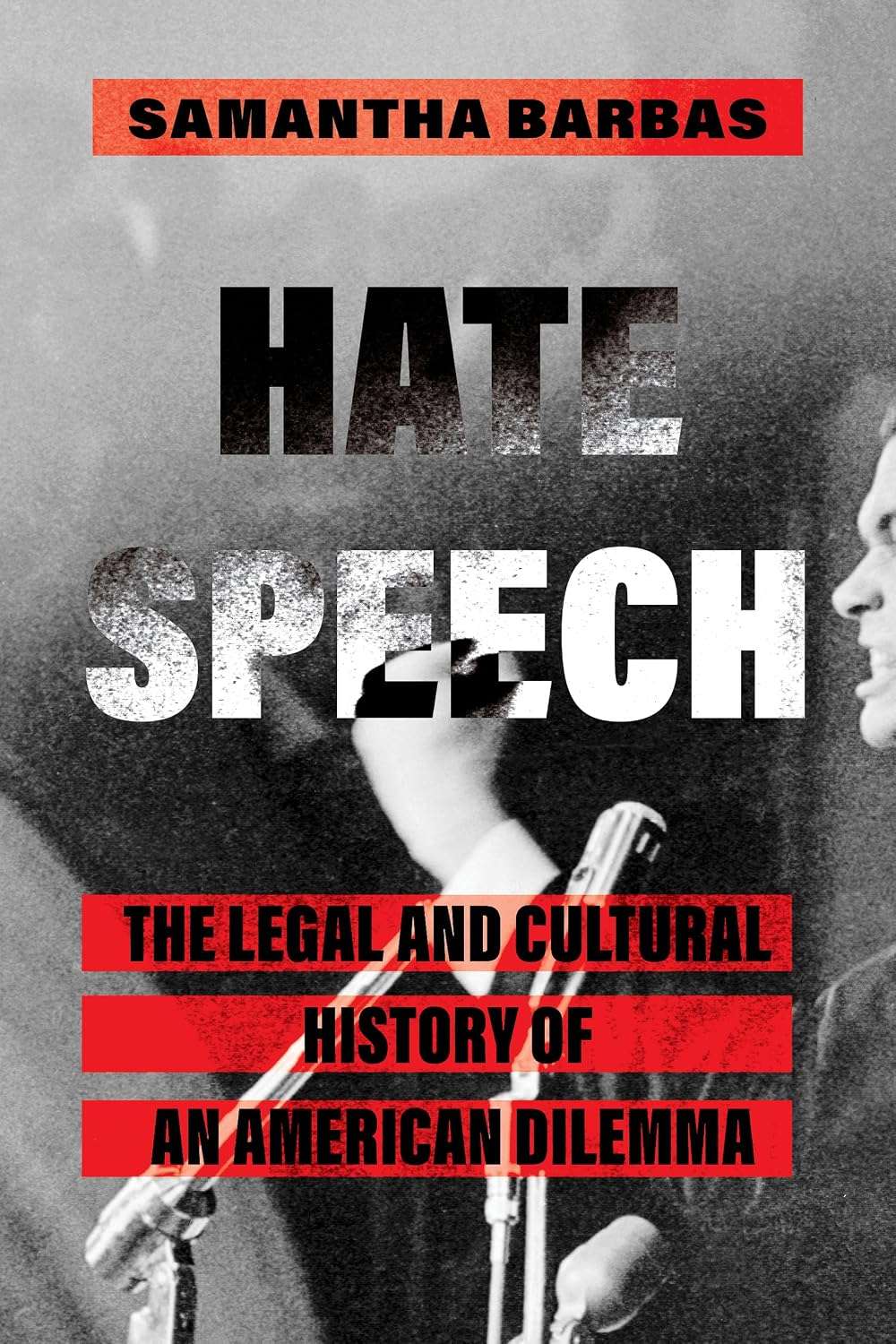
During the 1950s, as hate speech and organized hate groups surged in the United States, the public overwhelmingly rejected legal restrictions as a response. Despite growing concerns over discriminatory rhetoric and extremist movements, Americans largely opposed the idea of hate speech laws to address the issue. The era’s political and social climate instead favored alternative approaches to countering bigotry. This historical moment offers a contrasting perspective on how societies have historically grappled with similar challenges.
In the 1950s, Americans confronted the precipitous rise of hate speech and hate groups, yet very few turned to hate speech laws as a solution.


