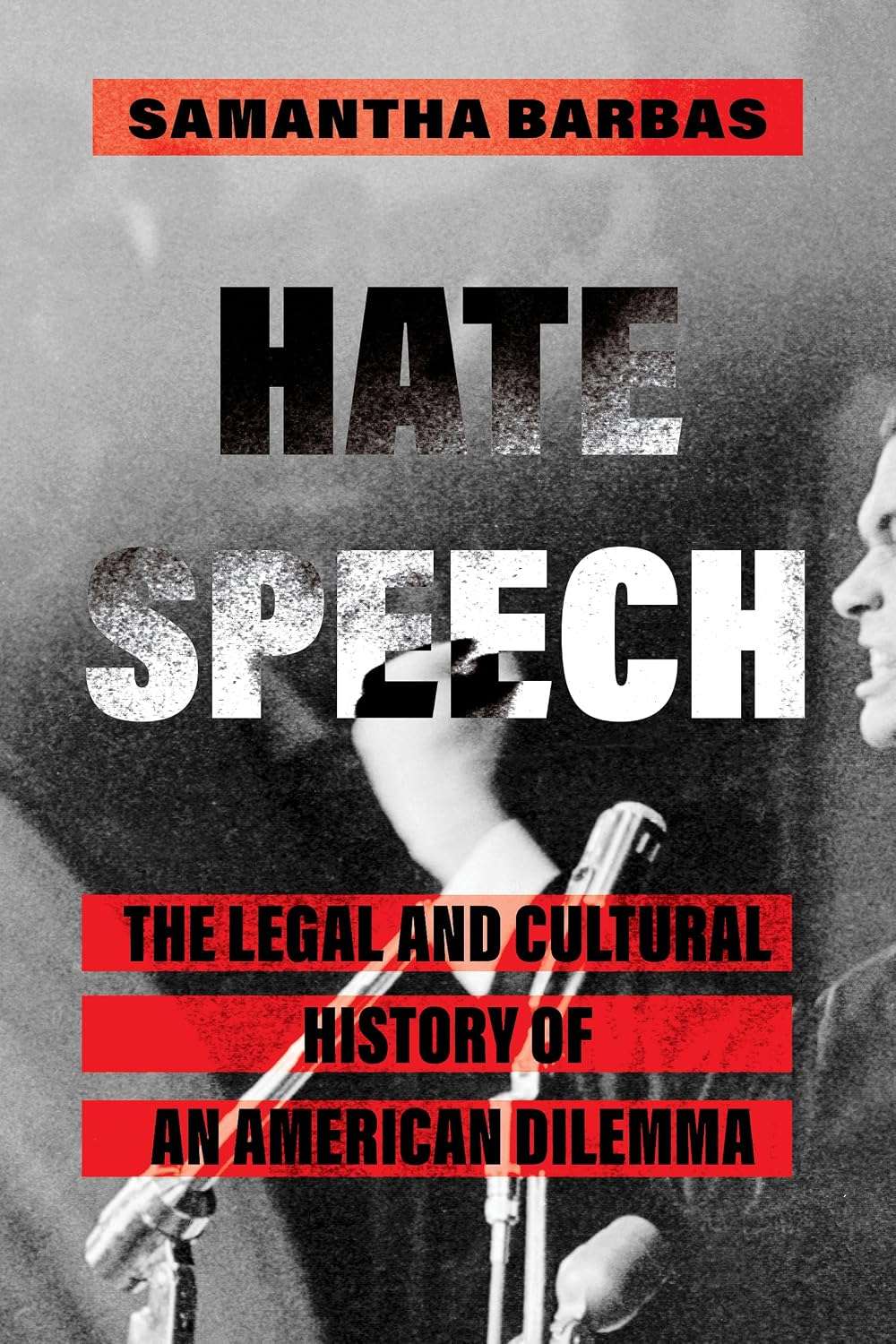
A landmark law from the 1930s in New Jersey once stood as the most far-reaching hate speech legislation in U.S. history, setting a precedent for how societies address discriminatory language and incitement. The measure, which went beyond mere restrictions on speech, reflected a bold attempt to combat prejudice through legal means at a time when such protections were rare. Legal scholars and historians continue to examine its origins and impact, particularly in discussions about free speech versus protection from harm. The law’s legacy raises questions about the balance between safeguarding vulnerable groups and preserving open dialogue.
In the 1930s, New Jersey passed the most sweeping hate speech law in American history.


