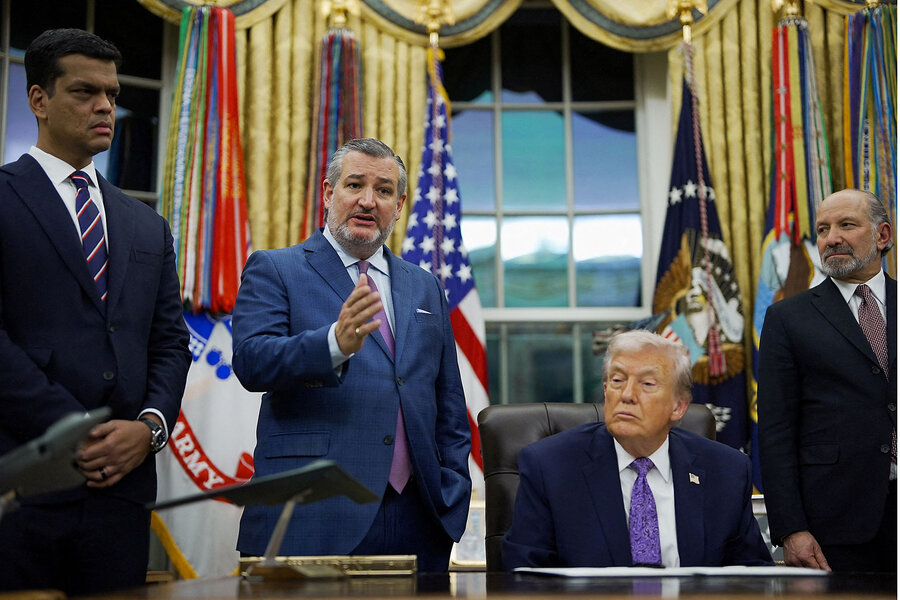
As the rapid development and deployment of artificial intelligence continue to transform industries and daily life in the United States, the government is finally taking a more active role in regulating this rapidly evolving technology. A shift away from the hands-off approach that has characterized AI policy in the past is underway, sparking intense debate about who should be responsible for setting and implementing the rules that govern AI development and use. With AI increasingly integrated into critical infrastructure, healthcare, and other sectors, lawmakers and regulators are grappling with the need to balance innovation with concerns about safety, bias, and accountability. As the stakes grow higher, the question on everyone's mind is: who will be at the helm of shaping America's AI policy, and what will be the consequences of their decisions?
Artificial intelligence in the United States has so far been met with a largely hands-off regulatory approach. That approach is changing, raising questions about who sets and implements AI policy.