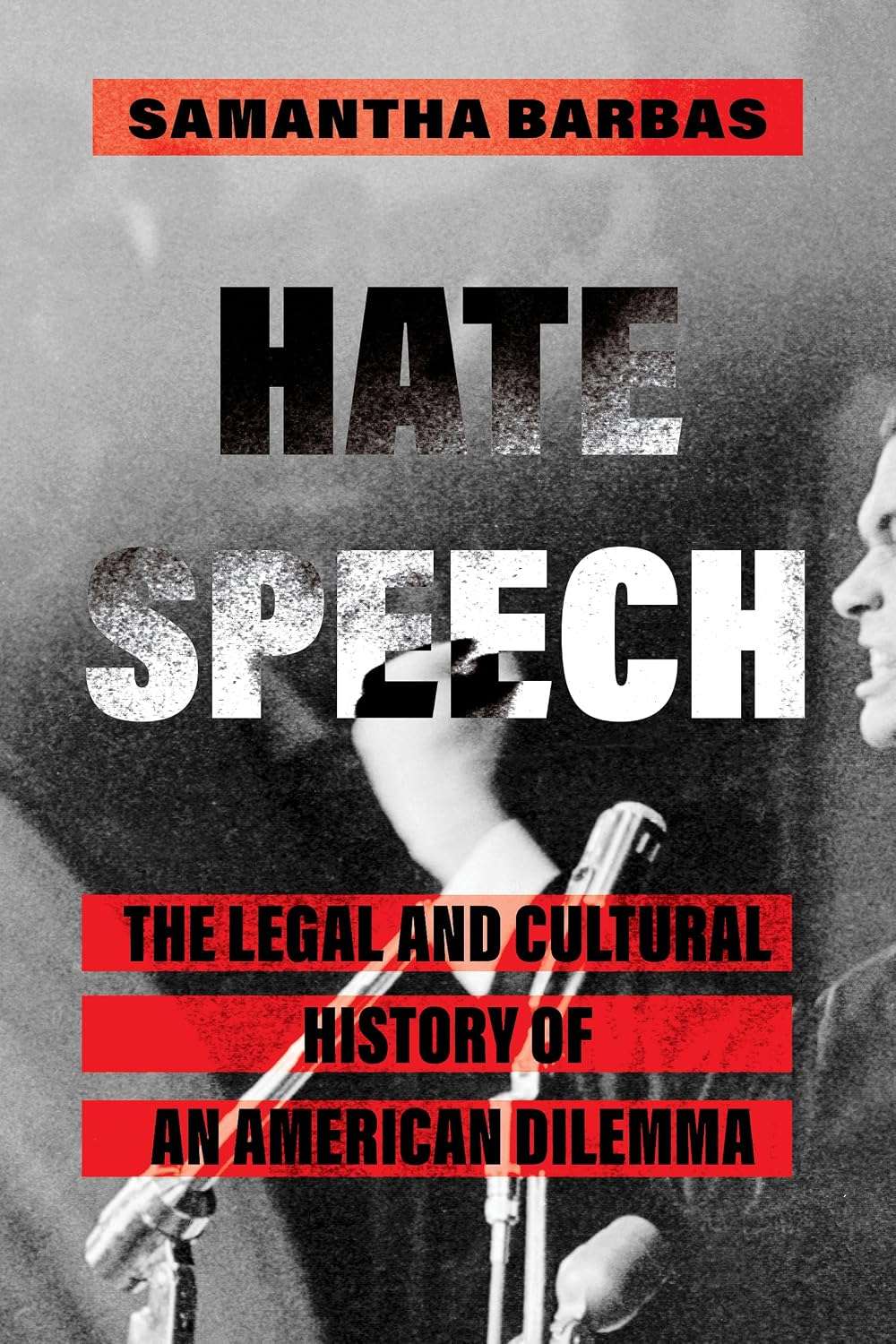
A proposed neo-Nazi demonstration in a predominantly Jewish suburb sparked a landmark clash over free speech rights and the boundaries of hateful expression in the late 1970s. The case pitted constitutional protections for controversial speech against concerns about inciting violence and harming vulnerable communities. Legal battles ensued as courts grappled with whether allowing the march would violate civil rights or uphold fundamental principles of free expression. The dispute remains a defining example of how society balances speech protections with the prevention of harm.
In 1977, a planned neo-Nazi march in Skokie, Illinois set off one of history's most contentious debates about the limits of free speech.


