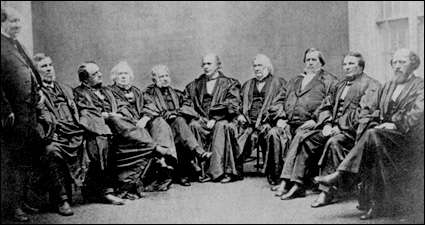
On July 17, 1862, the US Congress took a significant step in its fight against the Confederacy by enacting the Confiscation Act. This landmark legislation granted the federal government the authority to seize the property of those deemed rebels, a move that would have far-reaching implications for the nation. As the Civil War raged on, the Confiscation Act marked a major shift in the government's approach to dealing with secessionist states, paving the way for future measures that would ultimately aim to bring the conflict to a close. But what role did the Supreme Court play in this pivotal moment, and how did its decisions shape the course of American history?
7/17/1862: Congress enacts the Confiscation Act, which empowers the government to seize the property of the rebels. The Supreme Court… The post Today in Supreme Court History: July 17, 1862 appeared first on Reason.com.


