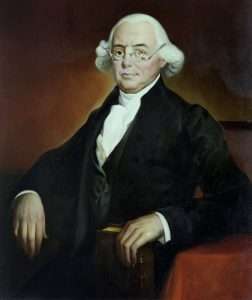
On October 28, 1787, a key figure in the early American republic addressed the Pennsylvania ratification convention, delivering an influential speech that challenged the prevailing demand for a Bill of Rights as part of the newly proposed Constitution. The argument presented asserted that existing protections under the document and state constitutions made such an addition unnecessary, reflecting broader debates over individual liberties and government structure during the ratification process. This moment in Supreme Court history highlights the tensions between federal authority and the safeguarding of civil liberties in the formation of the nation’s foundational governance. The speech remains a notable example of the intellectual clashes that shaped the U.S. Constitution’s adoption.
10/28/1787: James Wilson gives speech to the Pennsylvania ratification convention, arguing that there was no need for a Bill of… The post Today in Supreme Court History: October 28, 1787 appeared first on Reason Magazine.


