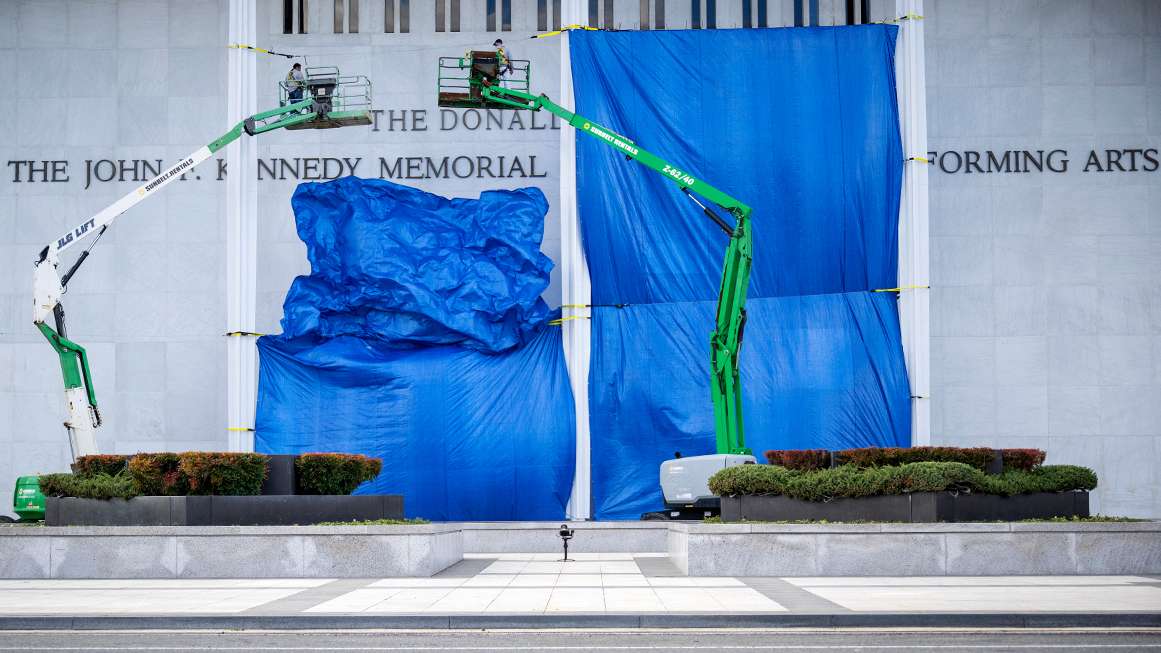
When governments take direct control of cultural institutions, decisions about artistic programming often shift from creative vision to political alignment, raising concerns about censorship and ideological influence. Critics argue that such oversight can stifle diverse voices, prioritizing state-approved narratives over artistic freedom and public debate. The shift may also lead to funding cuts or restructuring based on policy goals rather than artistic merit, altering the mission of long-standing cultural organizations. Supporters, however, claim greater accountability and alignment with national priorities, though the debate over creative autonomy versus state direction remains contentious.
This is what happens when you give the government control over artistic institutions.


