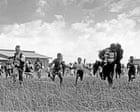
A new lawsuit has been filed against the South African state for the 1960 Sharpeville massacre, a pivotal event that sparked a wave of legal action against apartheid-era crimes. The claim, brought by survivors and families of the hundreds who were shot by police, seeks accountability for the brutal enforcement of pass laws that forced non‑white South Africans to carry restrictive documents. The lawsuit is part of a growing trend of litigation aimed at confronting the legacy of apartheid and ensuring that those responsible for state‑sanctioned violence face justice. The case underscores the enduring impact of Sharpeville on South Africa’s collective memory and its ongoing pursuit of reparations.
Claim relating to 1960 attack on hundreds of protesters part of wave of litigation over apartheid crimes in South AfricaThe day dawned brightly on 21 March 1960, as residents of the South African township of Sharpeville gathered to protest against pass laws, which forced “Black, Indian and Coloured” South Africans to carry documents at all times specifying where they were allowed to be.Abraham Mofokeng joined the march, one of dozens organised nationwide by the Pan Africanist Congress (PAC), a breakaway group from the African National Congress (ANC). “The weather was very nice, the sun was out. You could not have suspected that the day would go so horribly,” said Mofokeng, who was then a 20-year-old factory worker. Continue reading...


