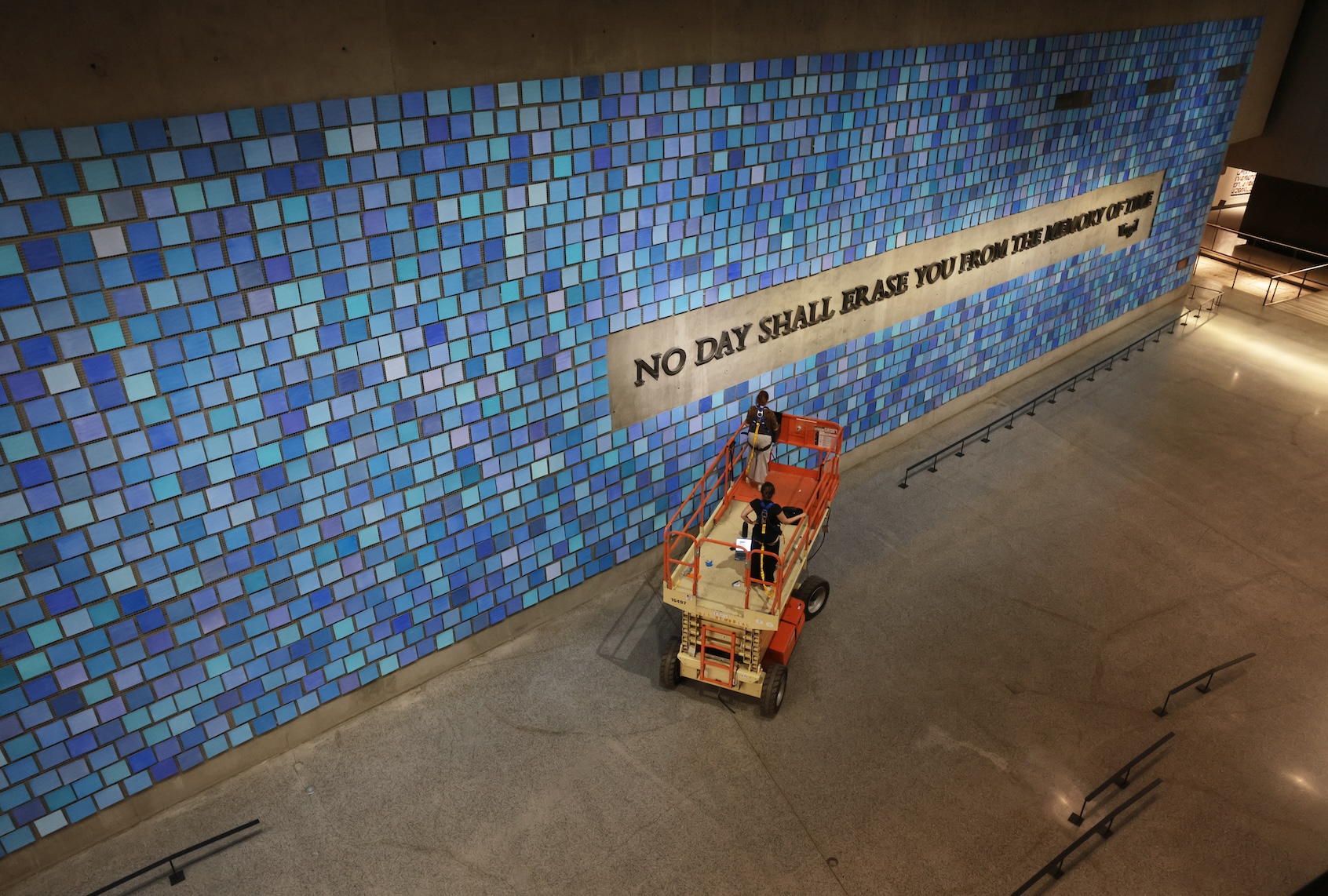
Researchers studying how societies recall history say that memory isn’t just about storing facts—it’s an active process shaped by cultural narratives, emotions, and shared experiences. New studies suggest that collective memory evolves through storytelling, rituals, and even political influences rather than passive record-keeping. This challenges traditional views that history is preserved unchanged over time, instead framing it as something constantly reinterpreted. The findings could reshape how historians and policymakers understand public remembrance.
Scholars of collective memory have long argued that that societies do not remember the past simply by preserving it


