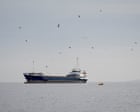
Tensions between the US and Iran escalate as the US prepares to blockade Iranian ports, sparking a surge in oil prices. The move comes after a failed attempt at peace talks between the two nations over the weekend, which saw planeloads of negotiators scrambling to reach a deal. One of the major sticking points in the negotiations was the reopening of the strategic Strait of Hormuz, a critical waterway that connects the Persian Gulf to the Arabian Sea. With Iran indicating a desire to retain control of the strait and charge a hefty fee for ships to pass through, world leaders are growing increasingly concerned about the potential for a global economic crisis if the issue is not resolved. As the US prepares to take a firm stance, oil prices are already rising in anticipation of the potential disruption to global trade.
Centcom says blockade of Iranian ports to begin at 10am ET; Iran’s negotiator says ‘we will not bow to threats’; oil prices rise. Follow the latest newsFull report: Trump says US will blockade strait of Hormuz after Iran peace talks failPlaneloads of negotiators and too little time: US and Iran’s 21 hours of talksReports indicate that the reopening of the strait was one of the major sticking points in the weekend negotiations between the US and Iran. Tehran has indicated it would like to retain control of the waterway after the war has finished, and has floated a plan to charge a fee of up to $2m a ship to transit through the waterway. Donald Trump and other world leaders have rejected such a plan as an attack on “freedom of navigation”.Despite the US president’s claims that reopening the waterway is not his responsibility, he is under pressure to resolve the issue before the continued closure of the strait unleashes an even greater crisis for the global economy.The reality is, this mission is difficult to execute alone and likely unsustainable over the medium to long-term.” Continue reading...